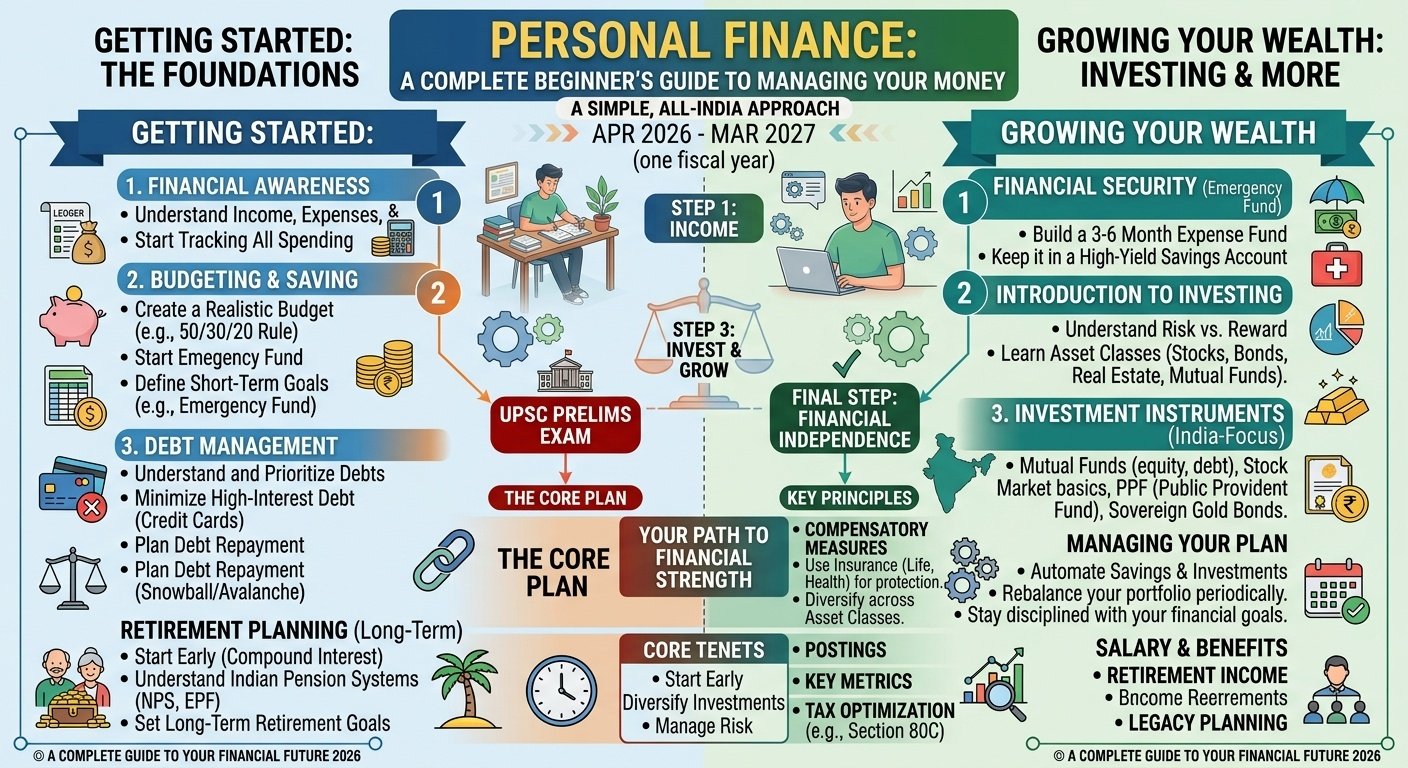
Managing money well isn’t about earning a huge salary or having a finance degree. It’s a skill — and like any skill, it can be learned, practiced, and improved over time. Yet personal finance is rarely taught in a structured way, which leaves many people figuring out budgeting, saving, and debt management through trial and error, often after already making a few costly mistakes.
This guide walks through the core building blocks of personal finance in plain language, giving you a clear starting point regardless of your income level or where you’re starting from financially.
What Is Personal Finance?
Personal finance refers to how an individual or household manages their money — including earning, spending, saving, investing, and planning for the future. It covers everything from your everyday grocery budget to long-term decisions like retirement planning, and it’s shaped by your income, expenses, goals, and life circumstances.
Because everyone’s financial situation is different, personal finance isn’t about following one universal formula. It’s about understanding a set of core principles and applying them in a way that fits your own life.
Why Personal Finance Skills Matter
Good financial habits affect far more than your bank balance. They influence your stress levels, your ability to handle emergencies, your long-term security, and the choices available to you — whether that’s changing careers, buying a home, or retiring comfortably.
Without a basic understanding of personal finance, it’s easy to fall into common traps: spending more than you earn, carrying high-interest debt longer than necessary, or reaching retirement age without enough savings. Building financial literacy early helps you avoid these pitfalls and make more informed decisions as your income and responsibilities grow.
The Core Pillars of Personal Finance
1. Budgeting: Knowing Where Your Money Goes
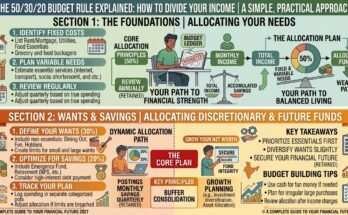
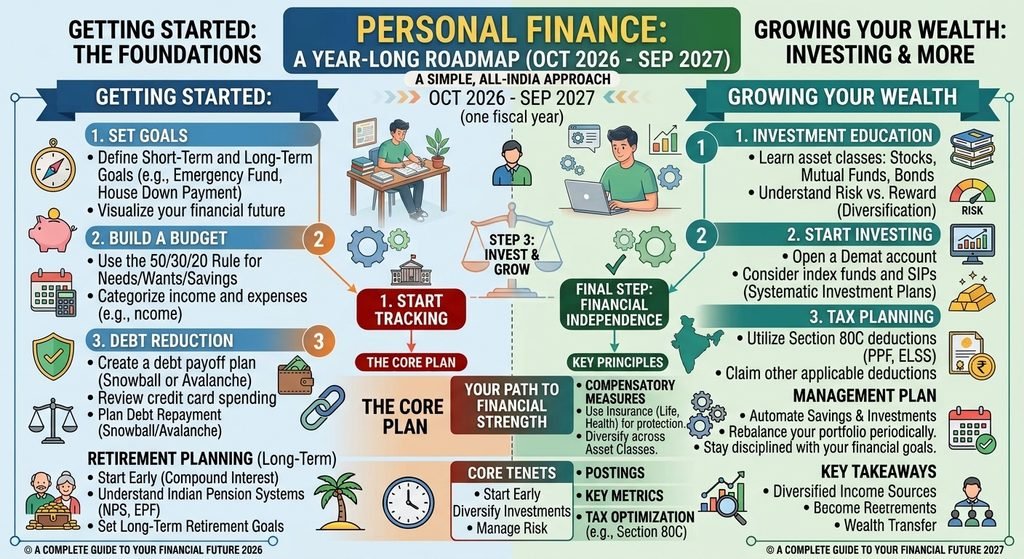
A budget is simply a plan for your income — a way of deciding, in advance, where your money will go rather than wondering where it went at the end of the month. Budgeting doesn’t have to mean tracking every single coffee purchase; even a simple framework that separates needs, wants, and savings can dramatically improve financial awareness.
A common and beginner-friendly approach is the 50/30/20 rule, which suggests allocating roughly 50% of income to needs (housing, utilities, groceries), 30% to wants (entertainment, dining out), and 20% to savings and debt repayment. This isn’t a strict rule for everyone — someone with high living costs or existing debt may need to adjust the percentages — but it offers a useful starting framework.
2. Saving: Building a Financial Cushion
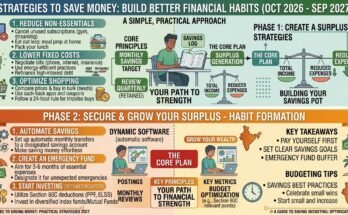
Saving money means setting aside a portion of your income rather than spending all of it. This serves two main purposes: protecting you from unexpected expenses and helping you work toward future goals, whether that’s a vacation, a home down payment, or retirement.
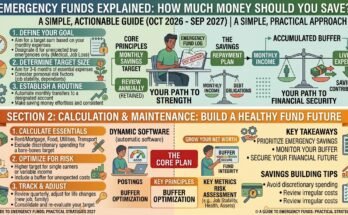
One of the most important early savings goals is building an emergency fund — money set aside specifically to cover unexpected costs like medical bills, car repairs, or a job loss, without needing to rely on credit cards or loans. Many financial educators suggest aiming for three to six months’ worth of essential living expenses, though the right amount depends on your job stability, income, and personal risk tolerance.
3. Managing Debt Wisely
Not all debt is created equal. Some debt, often called “good debt,” can help build long-term value — a mortgage or a student loan, for example, may finance something that appreciates in value or increases earning potential. “Bad debt,” on the other hand, typically involves high interest rates and financing things that lose value quickly, like high-interest credit card balances used for discretionary spending.
Managing debt well generally means understanding the interest rate you’re paying, prioritizing high-interest debt for faster repayment, and avoiding taking on more debt than your income can comfortably support.
4. Understanding Credit
Your credit history and credit score affect your ability to borrow money, the interest rates you’re offered, and sometimes even things like rental applications or insurance premiums. Building good credit generally comes down to a few consistent habits: paying bills on time, keeping credit card balances low relative to your credit limit, and avoiding unnecessary new credit applications in a short period.
5. Investing for the Future
While saving protects your money, investing gives it the opportunity to grow over time by putting it into assets like stocks, bonds, or mutual funds. Investing carries risk — the value of investments can go up or down, and past performance never guarantees future results — but for long-term goals like retirement, investing has historically played a central role in building wealth beyond what saving alone typically achieves.
Beginners are generally encouraged to understand their own risk tolerance, diversify their investments rather than concentrating on a single asset, and think in terms of long-term horizons rather than short-term market swings.
6. Financial Planning and Goal-Setting
Personal finance works best when it’s tied to clear goals. Financial planning means looking at your current financial picture and mapping out a path toward specific objectives — whether that’s paying off debt, saving for a home, or preparing for retirement. Setting both short-term and long-term goals gives your day-to-day financial decisions a sense of direction, rather than managing money reactively.
Common Personal Finance Mistakes to Avoid
- Spending without a plan. Without some form of budget, it’s easy to lose track of where money is actually going each month.
- Not having an emergency fund. Without a financial cushion, unexpected expenses often get paid for with high-interest debt.
- Carrying high-interest debt longer than necessary. Interest charges can significantly outweigh the benefit of keeping cash available elsewhere.
- Delaying saving and investing. Because of how compound growth works over time, starting even small amounts early tends to matter more than waiting to start with larger amounts later.
- Ignoring credit health. A poor credit history can lead to higher interest rates and fewer financial options down the road.
Practical First Steps for Beginners
- Track your income and expenses for a month to understand your actual spending patterns before making changes.
- Create a simple budget using a framework like the 50/30/20 rule as a starting point, adjusting it to fit your situation.
- Start an emergency fund, even if it begins small — consistency matters more than the initial amount.
- List and prioritize any existing debts, focusing on high-interest balances first.
- Check your credit report periodically to understand your current credit standing.
- Set one or two clear financial goals — short-term and long-term — to give your budgeting and saving purpose.
Key Takeaways
- Personal finance is a learnable skill built around a few core pillars: budgeting, saving, managing debt, understanding credit, investing, and planning.
- A simple budget framework, like the 50/30/20 rule, is a practical starting point for beginners.
- An emergency fund protects against relying on debt during unexpected situations.
- Not all debt is equal — understanding the difference between productive and costly debt matters.
- Investing involves risk and is generally suited to long-term goals rather than short-term needs.
- Setting clear financial goals gives everyday money decisions direction and purpose.
Conclusion
Personal finance isn’t about perfection — it’s about building consistent habits that compound over time. Understanding the basics of budgeting, saving, debt, credit, and investing gives you a framework for making more confident financial decisions, whatever your starting point looks like. The goal isn’t to master every concept overnight, but to build a foundation you can keep improving on as your financial life grows more complex.